
Mimicking Cozy Café Energy for Solo Studying at Home
Imagine stepping into your favorite café, where warm, ambient lighting casts a gentle glow over rustic wooden tables. The air carries the inviting aroma of freshly brewed coffee, mingling with the faint scent of pastries. All around, the soft hum of quiet conversations and the subtle clinking of cups create a comforting backdrop, an environment that beckons focus without demanding it. This unique atmosphere is a sanctuary for many, providing the subtle stimulation needed to anchor your thoughts and promote a calm, productive mindset. While solo study can sometimes feel isolating, the quiet co-presence of others offers a sense of companionship without the pressure to engage. Recreating this cozy café ambiance at home can be a powerful tool to enhance your study routine. By carefully arranging your study space, incorporating soft lighting, playing ambient café noises, or even brewing a cup of your favorite coffee, you can invite that same energy into your personal study environment. Websites like Coffitivity offer ambient café sounds, and apps such as Noisli allow you to customize audio atmospheres, helping you maintain that productive café vibe from the comfort of your home.
If you’re new to the idea, see our guide to virtual coworking.
Recreate Café Ambiance: Lighting, Sounds, Scents
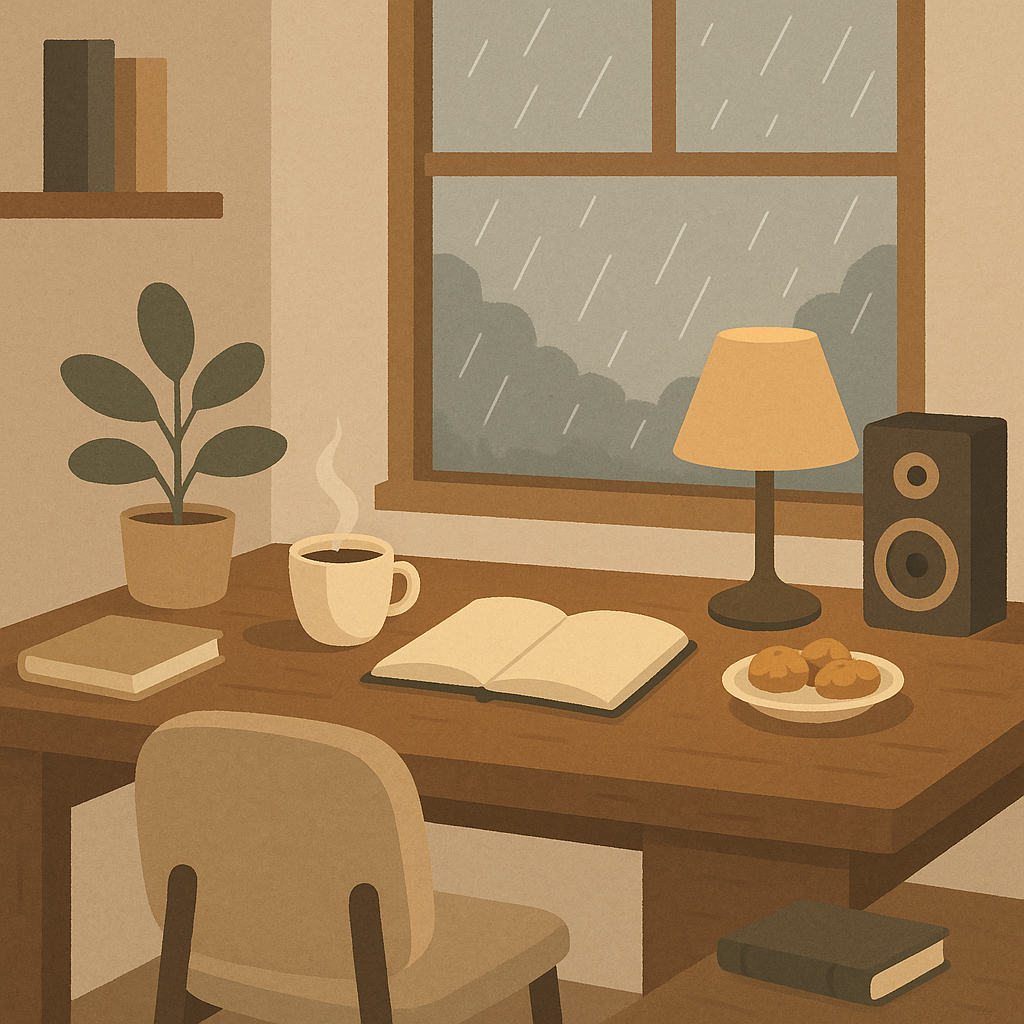 Crafting a café-inspired sanctuary at home can transform solo study sessions into a comforting ritual rather than a solitary grind. Start with lighting. Opt for warm, soft lights that mimic the gentle glow of café interiors. Avoid harsh fluorescents; instead, use table lamps or string lights to create a cozy atmosphere. Dimmable lights allow you to adjust the brightness depending on the time of day and your mood, enhancing both comfort and focus.
Next, incorporate soundscapes to replicate the subtle hum of a bustling coffee shop. Websites like Coffitivity offer ambient café sounds that can play in the background, promoting a sense of shared space without the need for actual company. These sounds can help mask household noise and prevent distractions, providing a comforting auditory backdrop that boosts concentration.
The scent of a café is another powerful element that can be recreated at home. Consider using coffee-scented candles or essential oils with notes of vanilla or cinnamon to evoke the aroma of freshly brewed coffee and pastries. Websites like ScentedSpace provide curated tips and products for home scenting, helping you find the right fragrances to transport you mentally to your favorite café corner.
By blending these sensory elements, you can create a peaceful oasis that feels connected to the world without the pressure of social interactions. This environment not only enhances focus but also elevates the study experience, wrapping productivity in warmth and comfort.
Virtual Body Doubling: Sharing Silent Company
Studying or working alone for extended periods can sometimes lead to feelings of isolation, even in the most cozy of settings. Enter the concept of virtual body doubling — a practice where individuals connect online to share silent company while focusing on their tasks. This doesn’t require constant interaction or conversation, but rather, it fosters a sense of shared space and mutual accountability.
Platforms like Focusmate offer structured, time-bound sessions where you can pair with someone virtually. Each participant shares their goals at the start, works silently, and checks in at the end. This not only helps in staying focused but also in feeling connected to another person, reducing loneliness without the pressure of socializing. In a similar vein, Notion’s collaboration features enable groups to work together on shared projects or documents, providing a virtual space that mimics the productive buzz of a café.
Beyond these, platforms like Zoom or Microsoft Teams can be utilized for silent co-working sessions. By simply keeping the video on while everyone works on their tasks, participants can recreate the shared focus of a study group without the need for verbal interaction. This approach is particularly beneficial for those who thrive on the energy of others but prefer silence while concentrating.
For more insights into the advantages of virtual coworking, check out this blog discussing its benefits. Here, you’ll find tips on how to get the most out of these digital spaces and how they can transform your solo study experience into a more fulfilling one.
Avoiding Overstimulation: Balance Is Key
Creating a café-inspired study space at home can enhance focus, but it’s important to avoid the trap of overstimulation. While the right combination of ambient noise, scent, and visual elements can mimic the cozy atmosphere of your favorite café, too much sensory input can become a distraction. To maintain productivity, balance is essential.
Start by assessing your sensory preferences. Are you more focused in complete silence, or does a low hum of background noise help you concentrate better? Websites like Coffitivity offer subtle coffee shop sounds that can provide just the right level of auditory stimulation without overwhelming your senses. Alternatively, you might opt for a white noise app that allows you to customize soundscapes to match your preference.
Visual clutter can also impede concentration. Maintain a tidy workspace, using minimal decorations to avoid visual overstimulation. Soft, adjustable lighting can offer the flexibility to match your mood and energy levels throughout the day. Consider using a desk lamp with dimming features to simulate the warm glow of café lighting without causing eye strain.
Finally, be mindful of scent. While a hint of coffee or vanilla might evoke the comforting aroma of a café, overpowering scents can be distracting. Use subtle candles or essential oils sparingly.
For more insights on managing sensory inputs to boost focus, check out this guide on sensory regulation. Adjust these elements gradually, ensuring your study environment supports your productivity without becoming a source of distraction.